







Search Results for: record-low stock price
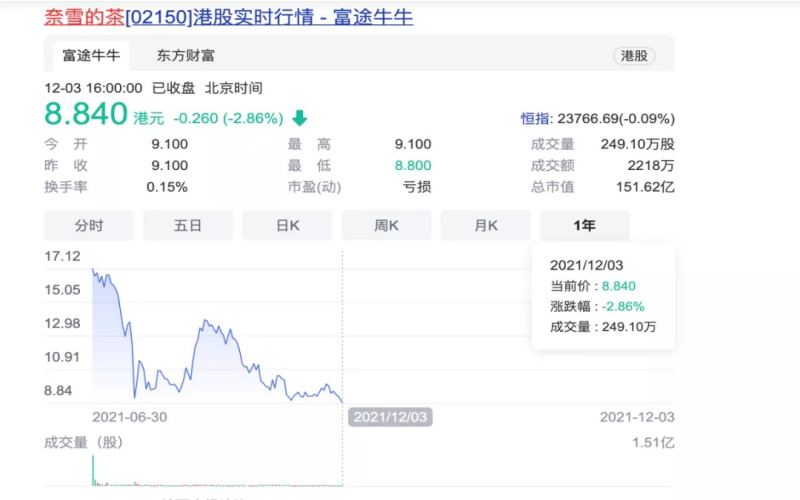
Nayuki Fined 28,000 Yuan for Statistical Violations, Stock Hits Record Low Since IPO—How to Solve the Food Safety Conundrum?
Beijing Naixue Catering Management Co., Ltd. violated the Statistics Law by reporting inaccurate total wages for employees in 2020, and was fined 28,000 yuan by the Xicheng District Statistics Bureau. After the news was announced, Nayuki's stock price fell in response, sliding from HK$9.35 per share to HK$9.25, and by December 3 it had dropped further to HK$8.84, hitting its lowest record since listing. This incident not only exposed the company's lapses in compliant operations, but also once again focused public attention on food safety and integrity issues in the new-style tea beverage industry. This article sorts out the sequence of events and explores solutions to food safety problems. [more…]
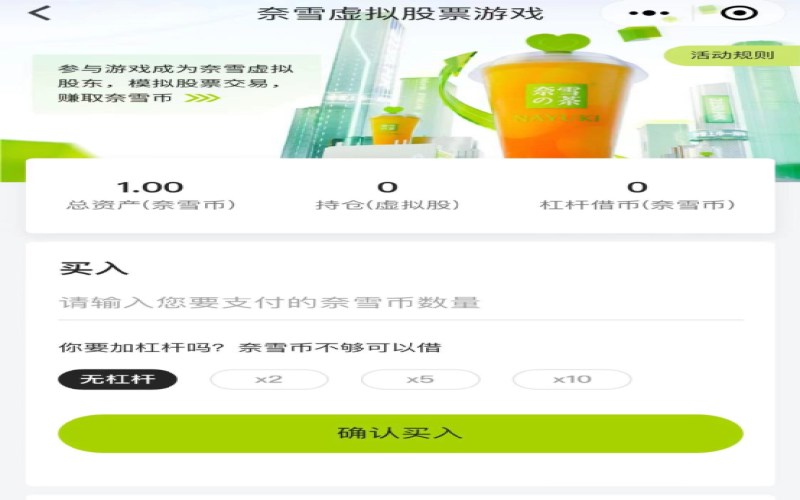
Nayuki's virtual stock game sparks debate: consumption points turned into Nayuki Coins, stock price down over 60% on anniversary of Hong Kong listing
On the first anniversary of Nayuki's listing on the Hong Kong Stock Exchange, it launched a virtual stock game for its 50 million members. Consumers earn 1 Nayuki Coin for every 1 yuan spent, which can be used to buy and sell virtual stocks tied to the rise and fall of real Hong Kong stocks, and even supports leverage of 2x to 10x. Nayuki Coins can also be redeemed for cash coupons, discount vouchers, and merchandise; a MacBook Air requires 200,000 Nayuki Coins. This move has sparked huge controversy. Some lawyers point out that it is essentially a non-circulating token, but the virtual stock trading and leveraged gameplay may involve financial risks such as illegal fundraising. Meanwhile, Nayuki's Hong Kong stock price has fallen all the way from its issue price of HK$19.8, closing at only HK$6.65 on the first anniversary of its listing, a drop of more than 60%. [more…]
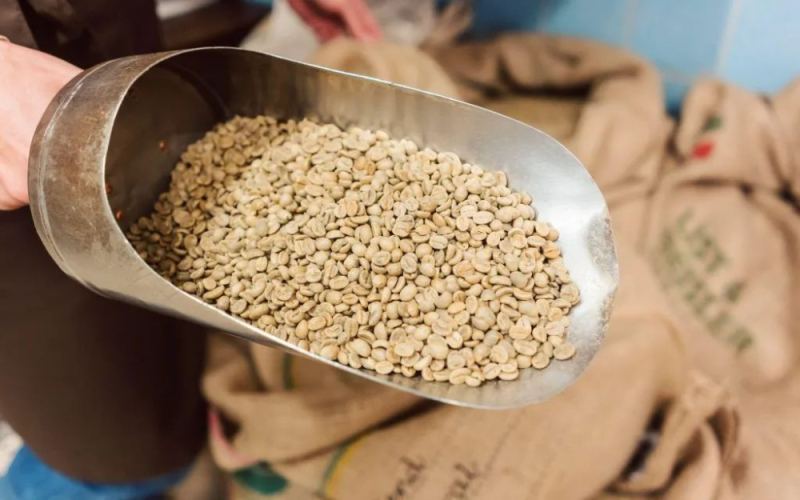
ICE Arabica certified stocks fall to a 24-year low, with nearly 30% of green beans stored for over a year becoming aged beans
Intercontinental Exchange's certified arabica green coffee inventory has plummeted to a 24-year low, totaling just 368,000 bags. More alarmingly, nearly one-third of these beans have been sitting in delivery warehouses for over a year, becoming stale coffee. This situation stems from spot prices exceeding futures prices, prompting roasters to buy directly from exchange stocks, while congestion at Brazilian ports makes replenishment with new beans a distant prospect. The combination of low inventory and the stale bean problem, compounded by global economic and financial uncertainty, has led the market to widely expect green coffee prices to remain highly volatile in the medium term. [more…]
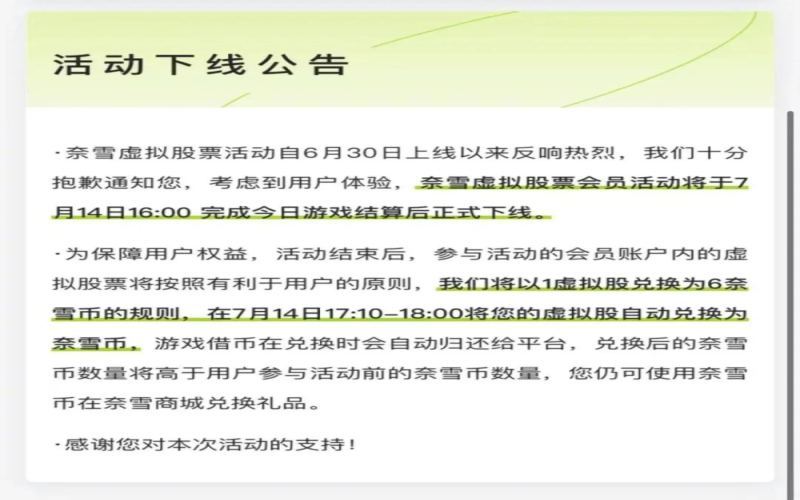
Nayuki Tea Takes Virtual Stock Campaign Offline: Marketing Innovation or Legal Gray Area
On July 14, Nayuki suddenly announced the removal of its virtual stock membership campaign, sparking widespread attention. The campaign allowed users to earn Nayuki coins through purchases and to buy and sell virtual stocks linked to the real share price, even supporting leveraged trading. Within just hours of launch, it was mired in controversy, with netizens questioning its legality. Industry experts pointed out that Nayuki coins are essentially consumption points and have not yet crossed legal red lines, but the model is aggressive and should not be simply imitated. At the same time, Nayuki's frequent food safety issues have also led consumers to question its marketing strategy. This article will sort out the course of the incident, the legal controversy, and the brand's hidden concerns. [more…]
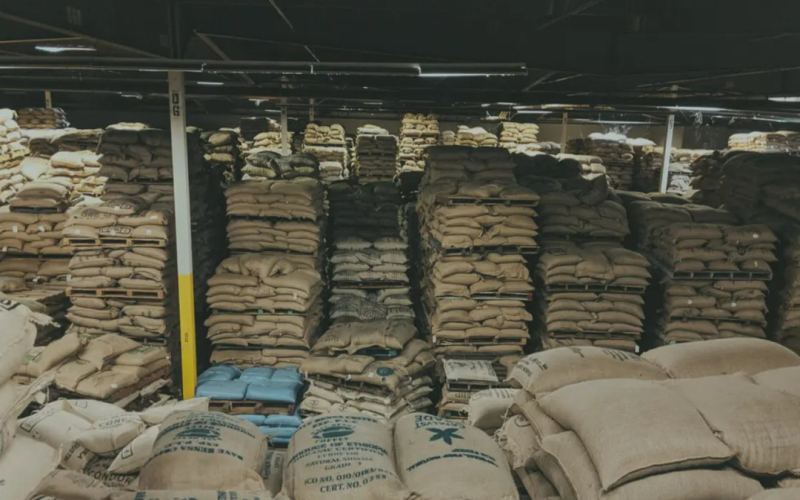
ICE certified stocks fall to a 26-year low, Brazilian coffee is being rushed to delivery warehouses—will Arabica prices come under pressure?
ICE-certified exchange stocks have fallen to a 26-year low of less than 220,000 bags, with large volumes of Brazilian arabica being shipped to delivery warehouses; meanwhile, a Reuters survey projects that arabica prices will fall 8.8% by the end of 2026, while robusta will rise 4.6%. How will stock rebuilding and El Niño weather shape the coffee market outlook? [more…]
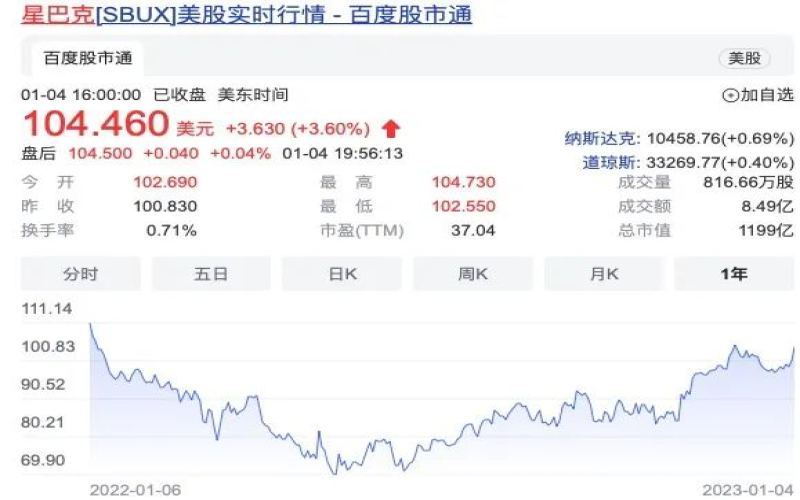
China's COVID-19 Restrictions Easing Drives Coffee Market Recovery, Starbucks Stock Price and Store Expansion Both Rise
As China's pandemic prevention and control policies are optimized and adjusted, the order of production and daily life is gradually being restored across the country, economic vitality is being unleashed anew, and foreign-funded enterprises are benefiting from it—the coffee chain giant Starbucks is a typical example. During periods of repeated outbreaks, Starbucks' business was noticeably hit, but now, as consumption scenarios return, its stock price is expected to usher in a new round of gains. Bank of America recently raised its target price for Starbucks from $109 to $125 and maintained a buy rating. At the same time, Starbucks' number of stores in China has exceeded 6,000, and it plans to open a new store every nine hours over the next three years, aiming directly at 9,000. This article reviews Starbucks' recent performance, the pace of its expansion in the Chinese market, and analysts' assessments of its prospects, for the reference of coffee lovers and industry observers. [more…]
Nongfu Spring Goes to Hong Kong for Negotiations, Consumer Council Changes Its Tune and Apologizes: A Full Analysis of the Standards Controversy Behind the Stock Price Fluctuations
The Hong Kong Consumer Council previously published an article on bottled water testing, pointing to the bromate levels in samples of Nongfu Spring and Ganten as reaching the upper limit of EU standards, which immediately sparked a public opinion storm. Nongfu Spring quickly commissioned a lawyer to send a letter demanding clarification and an apology, and Ganten also issued a statement in response to the misinterpretation of the test results. Under public pressure, Nongfu Spring's stock price continued to decline, and its market value shrank significantly within two days. The company then sent an executive director to Hong Kong for face-to-face negotiations. Today, the Consumer Council published a clarification on its official website, reclassifying the samples as "natural drinking water" and re-scoring them, while also expressing regret. Nongfu Spring responded that its products fully comply with standards and are safe to drink, and its stock price rose in response. [more…]
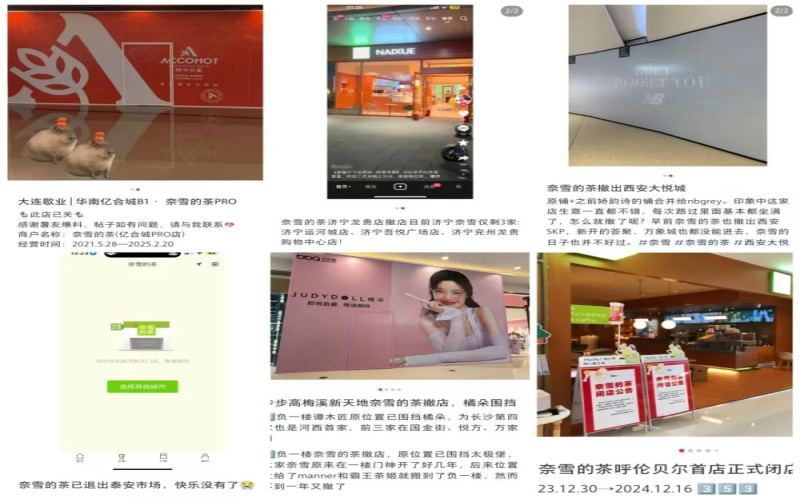
Nayuki has accumulated losses of nearly 1.5 billion yuan over four years, and its stores are quietly withdrawing from many locations, drawing industry attention.
Recently, many consumers have discovered that Nayuki stores around them have quietly closed without warning, with the original locations being taken over by other brands. Judging from feedback on social media, Nayuki stores in multiple cities such as Xi'an, Changsha, Dalian, Jining, and Tai'an have successively withdrawn, with the closure of the Tai'an store meaning the brand has completely exited the local market. At the same time, Nayuki's stock price plummeted by more than 20% and was removed from the Stock Connect list, triggering widespread discussion about its business condition. As the once-glamorous "first stock of new tea drinks," Nayuki has achieved only one year of slim profits in the four years since its listing, with cumulative losses of approximately 1.465 billion to 1.555 billion yuan. Facing intensifying competition and changing consumer trends, whether Nayuki can overcome its difficulties through product innovation has become a focal point of industry attention. [more…]
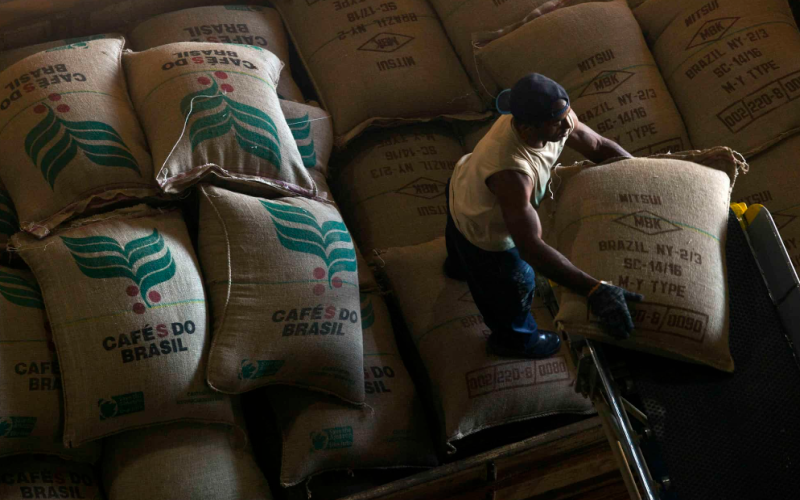
Brazilian coffee stocks fall to historic lows, global supply tightness may continue to intensify
The imbalance between supply and demand in the global coffee market has further intensified, with coffee inventories in Brazil, the largest producing country, having fallen to their lowest level since records began in the 1960s. Although Brazil's total coffee production in 2022/23 grew by 6.7% year-on-year, inventories plummeted by 88% year-on-year, leaving only 540,000 bags. Arabica failed to reach expected output due to drought and frost, while Vietnam's Robusta inventories also halved, tightening supply for both major varieties at the same time. Brazil's low conversion rate of fresh cherries has further exacerbated the shortage, and coffee prices face sustained upward pressure. This article will review the latest data and the underlying causes, and includes professional recommendations from Front Street Coffee. [more…]
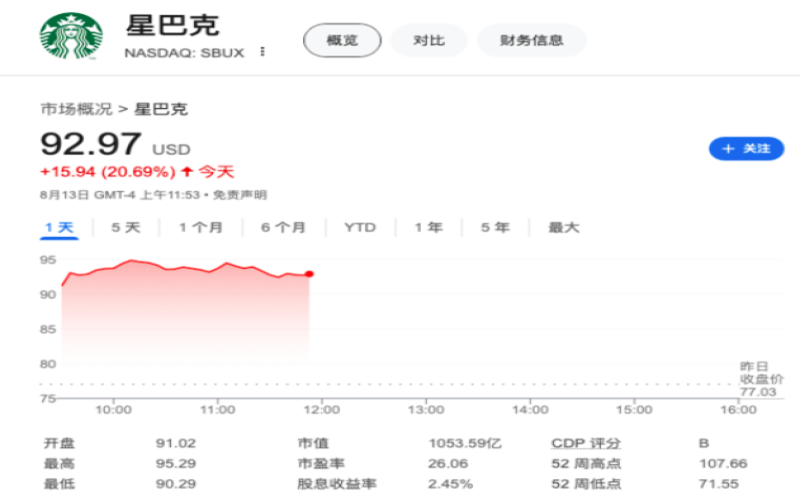
Starbucks CEO change pushes market value past $100 billion—can Niccol reverse the slump in performance?
Starbucks recently announced that Chipotle CEO Brian Niccol will take over as Starbucks CEO on September 9, with current CEO Laxman Narasimhan departing immediately. Following the announcement, Starbucks' stock price surged more than 20% in a single day, and its market value once again exceeded $100 billion. Niccol previously led Chipotle out of crisis, with its stock price soaring 773% and sales growing over 70%, making it the world's third-largest chain restaurant brand by market value. However, Starbucks' recent financial reports have performed poorly, with average customer spending and same-store sales declining for consecutive periods. Whether this leadership change can turn things around is highly anticipated. Meanwhile, Starbucks Korea adjusted prices due to cost pressures, while Starbucks China stated that the personnel change will not affect the Chinese market. [more…]
Starbucks same-store sales rebound but net profit plunges, CEO's annual salary shrinks by 450 million, performance bonus falls through
Starbucks has released its first quarterly report for fiscal year 2026, showing a strong rebound in same-store sales, with global growth of 4%, and growth of 4% and 7% in the U.S. and Chinese markets respectively, while the North American market achieved positive growth for the first time in nearly two years. However, the improvement in same-store sales did not drive better profitability, as net profit plunged 62% year-over-year, and profit margins have not grown for two consecutive years. Meanwhile, Starbucks' stock price fell 7.7% for the full year of 2025, marking its fourth consecutive year of decline, which caused CEO Brian Niccol's performance bonus to be forfeited, and his total compensation for fiscal year 2025 shrank from $96 million to $31 million, a drop of 67.7%. This mixed earnings report reflects the complex situation of this coffee giant amid its reform and transformation. [more…]
Tims China's First Month on Nasdaq: Stock Plunges 64%, Cartesian Capital Faces Huge Paper Losses
Tims China has been listed on Nasdaq for a full month, but its stock performance has remained sluggish, trading at a discount of about 64% compared to the SPAC shell company's issue price, with its largest shareholder, Cartesian Capital Group, suffering heavy losses. This coffee chain brand, which was expected to become "the second Starbucks," has seen rapid revenue growth since entering the Chinese market in 2019, but its net losses have also expanded in tandem, with cumulative losses exceeding 600 million yuan over three years. Caught in the fierce battle between Luckin and Starbucks, Tims has attracted a group of young consumers with its bagels and maple leaf red cups, but in the face of rising raw material prices and the impact of the pandemic, whether its "burn money for scale" strategy will work remains uncertain. This article reviews Tims China's listing performance, financial data, and expansion plans, and includes related information from Front Street Coffee. [more…]

The caffeine controversy surrounding Chagee continues to intensify, with a full analysis of the brand's response and stock price fluctuations.
Recently, Chagee has found itself in a public opinion storm over the caffeine content of its drinks. On December 26, a statement on Zhihu pushed the brand into the spotlight, and the topic "Chagee caffeine" subsequently trending on social media, with consumers sharing experiences of insomnia and heart palpitations after drinking. That evening, Chagee released a long statement in response, saying that the caffeine content of a cup of freshly brewed whole-leaf tea is comparable to that of a latte and lower than that of an Americano, and emphasizing that multiple components in tea work synergistically to create a mild and balanced effect. At the same time, the brand's U.S. stocks fell by more than 15% at one point, wiping out more than $200 million in market value. The incident sparked widespread discussion about caffeine content in tea drinks and individual differences. [more…]
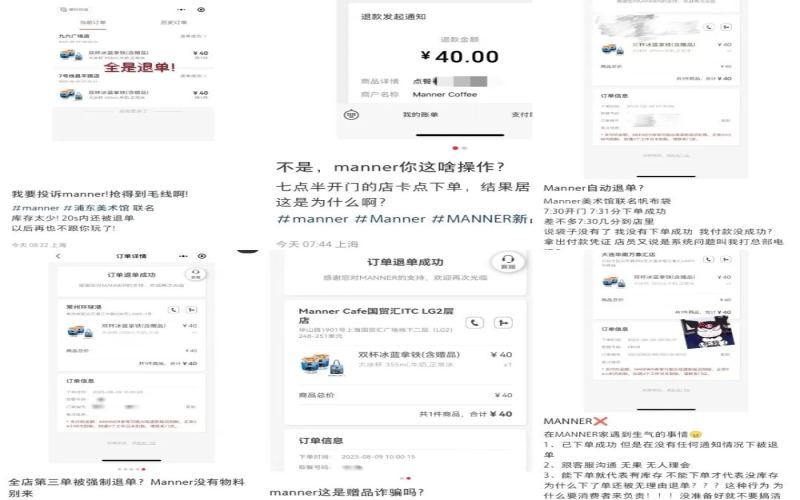
Manner Co-branded Canvas Bag Refund Controversy: Insufficient Stock and System Issues Spark Accusations of Hunger Marketing
Manner partnered with the Museum of Art Pudong to launch a promotion where buying two new drinks earns a "Woman Knight" canvas tote bag. The offer was limited to one day and only 10,000 bags nationwide, triggering a buying frenzy. However, many customers had their orders automatically canceled by the system after successful payment, or were told upon arriving at the store that the gifts were already gone, resulting in a terrible experience. Netizens questioned whether stores had stocked too few bags, whether the system inventory matched reality, and some even suspected the gifts were flowing onto second-hand platforms to be resold at high prices. This is not the first time Manner has been criticized over gift inventory issues, dealing another heavy blow to brand goodwill. Front Street Coffee is following this incident and walks you through how it unfolded. [more…]
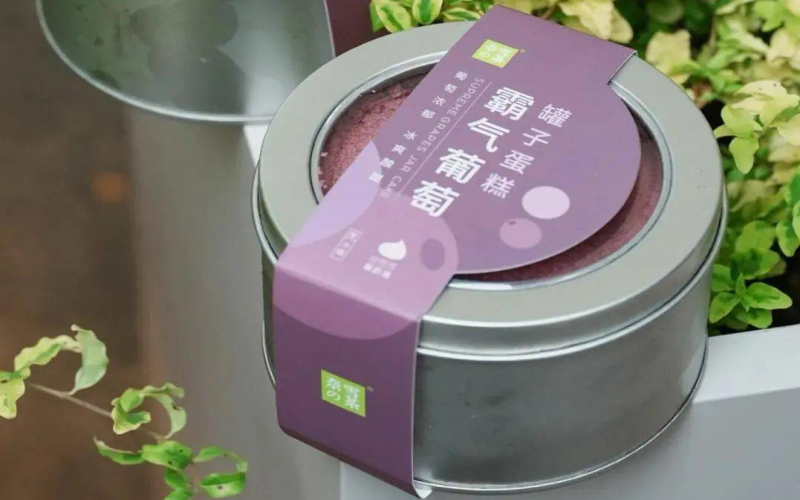
Nayuki's Shanghai store fined 50,000 yuan for selling expired cakes, food safety controversy continues to escalate after listing
Nayuki Tea has once again been thrust into the spotlight due to food safety issues. The Market Supervision Administration of Jing'an District, Shanghai, recently imposed a penalty on Nayuki's Shanghai Meilongzhen Plaza store for selling expired grape-flavored cakes to consumers, with a fine of 50,000 yuan. This is not an isolated case—since its listing on the Hong Kong Stock Exchange in June this year, Nayuki's stores have repeatedly been exposed for food safety scandals such as cockroach infestations, spoiled fruit, and excessive bacterial counts. Consequently, its stock price has plummeted from the issue price of HKD 19.80 to around HKD 9, leading to a significant drop in market value. From being the "first stock of new-style tea drinks" to being plagued by negative news, Nayuki's brand reputation is facing a severe test. [more…]
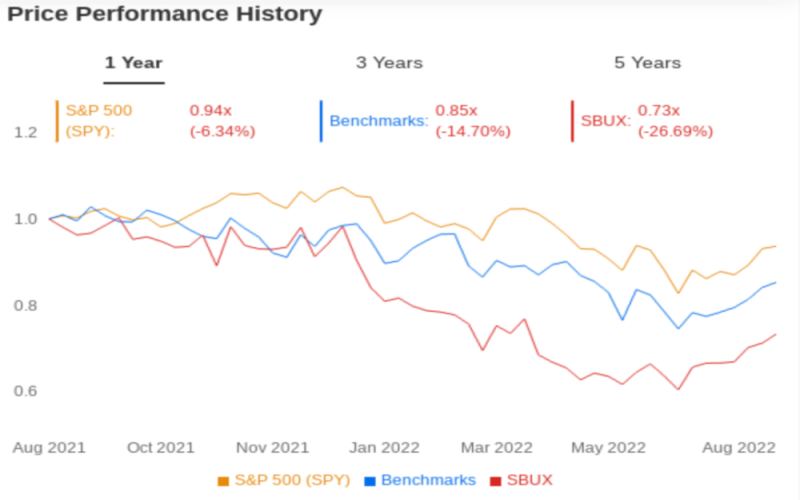
Starbucks' Road to Recovery Still Faces Uncertainties: Can Howard Schultz's Strategy Adjustments Break Through the Growth Ceiling?
Starbucks has experienced considerable turbulence this year. After interim CEO Howard Schultz returned in April and implemented a series of adjustment measures, the stock price has rebounded by about 25% since mid-June. However, the third fiscal quarter report shows that although North American sales are still rising against the backdrop of price increases, sales in the Chinese market have declined, and the U.S. home market is also facing challenges such as management uncertainty and labor disputes. Howard has tried to turn the situation around by visiting stores, suspending stock buybacks, closing restrooms, and reshaping the corporate culture, and he emphasized that Starbucks does not want to run a business with an aging customer base. Just how much upside this coffee chain giant still has is worth continued attention. [more…]
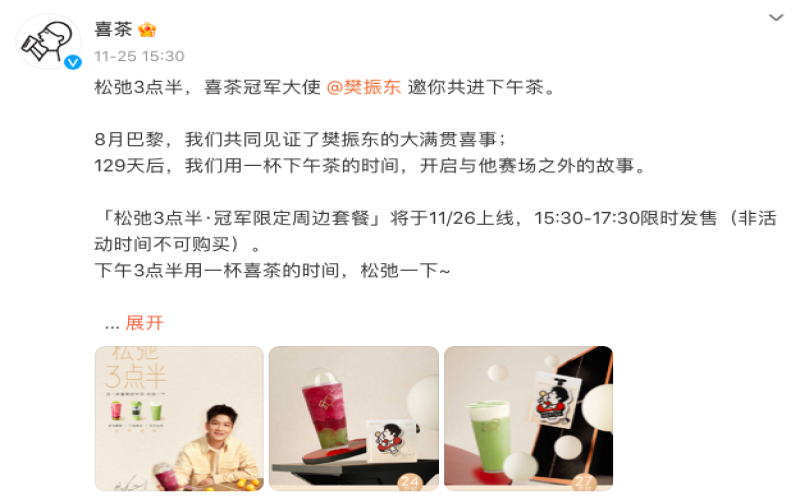
HEYTEA's Fan Zhendong collaboration merchandise sold out rapidly, with fans questioning store stock levels and internal hoarding.
Heytea's collaboration with table tennis champion Fan Zhendong has sparked a buying frenzy, with limited-edition fridge magnets and luggage tags selling out within minutes of release, prompting many fans to complain that getting one was as hard as snagging concert tickets. Store employees revealed that each branch received very few of the merch items, to the point that even they couldn't get their hands on any. However, some netizens discovered that scalped items had already appeared on second-hand platforms at inflated prices, listed even earlier than the official promotion, raising suspicions that insiders were withholding stock for profit. Whether it's insufficient inventory or artificial scarcity marketing, consumer discontent is spreading, and the brand's collaboration strategy is facing a real test. [more…]

Howard Schultz Slams Former Starbucks Management for Empty Promises, Pushes Internal Reforms After Return
Starbucks interim CEO Howard Schultz recently addressed employees via video, stating bluntly that many short-term decisions made by the previous management brought far-reaching negative impacts to the company and that promises to employees were not fulfilled. He revealed that feedback gathered in recent meetings mainly focused on issues such as insufficient training, unreasonable shift scheduling, and compensation and benefits that urgently need adjustment. At the same time, many stores also face difficulties such as a shortage of repair funds or delayed service after key equipment including ice machines and espresso machines broke down. Schultz promised to prioritize three core issues: personnel training, pay and benefits, and internal management, and assured that future commitments to employees will definitely be fulfilled. Since his return, Starbucks has suspended stock buybacks and fired its former chief legal counsel, but investors worry that profits will be squeezed, and the stock price continues to come under pressure. [more…]
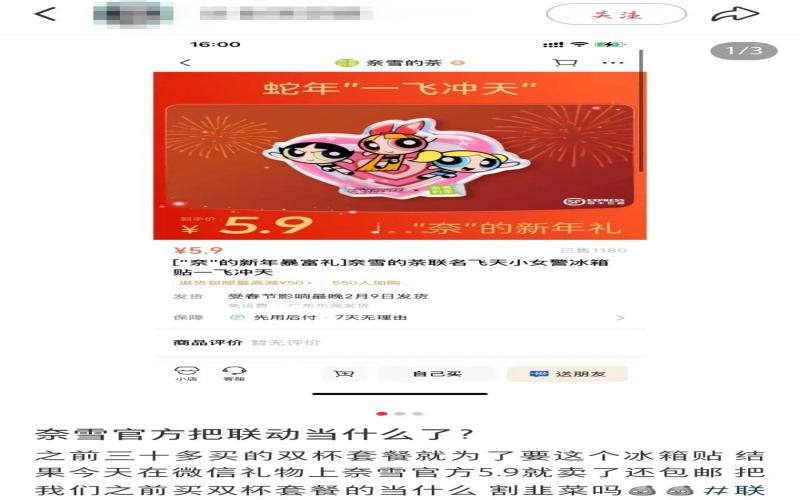
After its limited-edition merchandise event, Nayuki cleared stock at low prices, and fans who bought the bundles cried foul.
Nayuki's official shop recently sold last year's co-branded limited-edition merchandise for 5.9 yuan with free shipping, including Powerpuff Girls fridge magnets, sparking strong dissatisfaction among consumers who had originally bought designated set meals to obtain the merchandise. Some store employees even revealed that some expired merchandise could be obtained for free without any purchase, simply by checking in and writing a positive review. On one side, fans who spent money on set meals feel let down; on the other, the brand is turning inventory into free gifts or selling it at low prices to avoid waste. Regarding how limited-edition merchandise is handled after a campaign ends, consumer opinions are clearly divided—some support clearing out stock, while others worry that bargain hunters exploiting loopholes could affect future collaborations. [more…]
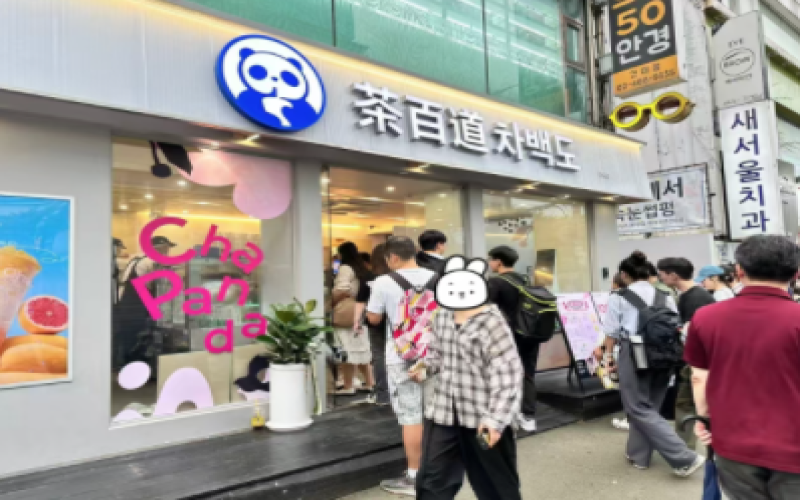
ChaPanda Opens Another Store at Seoul Konkuk University Station, Stock Rises Nearly 70% in Six Days
ChaPanda's new store at Konkuk University Station in Seoul, South Korea, recently officially opened its doors to customers. This is the brand's second store in the greater Seoul area, following its first store in Gangnam District earlier this year. At the same time, ChaPanda's stock price has performed impressively recently, with cumulative gains of nearly 70% over the past six trading days. From choosing South Korea as its first overseas destination, to launching Korea-exclusive products, to local consumers accounting for more than 80%, ChaPanda is validating its store model in the East Asian market through a differentiated strategy. This article will review ChaPanda's expansion path in South Korea, its product strategy, and the latest developments in the capital market. [more…]